-
Written by Chidiebere Ojogho & Ihuoma Jennifer Metuaghan
October 20, 2025 | 5.46 UTC+0
Introduction
Nigeria stands as the custodian of one of the world’s most vital, prolific, and historically significant cultural landscapes. From the delicate terracotta of the Nok culture and the technical mastery of Ife and Owo arts to the world-renowned masterpieces of the Benin Kingdom, the country’s museums hold objects that redefined global art history. Yet, a museum is only as resilient as its archives. Without comprehensive, airtight, and accessible documentation, these invaluable collections risk being lost to history, obscured by systemic disorganization, or left dangerously vulnerable to exploitation.
To definitively safeguard its material history, Nigeria’s cultural sector must execute a coordinated, structural transformation, transitioning from vulnerable manual record-keeping to robust, unified, and community-informed digital documentation systems.
The Operational Vulnerabilities of Legacy Systems
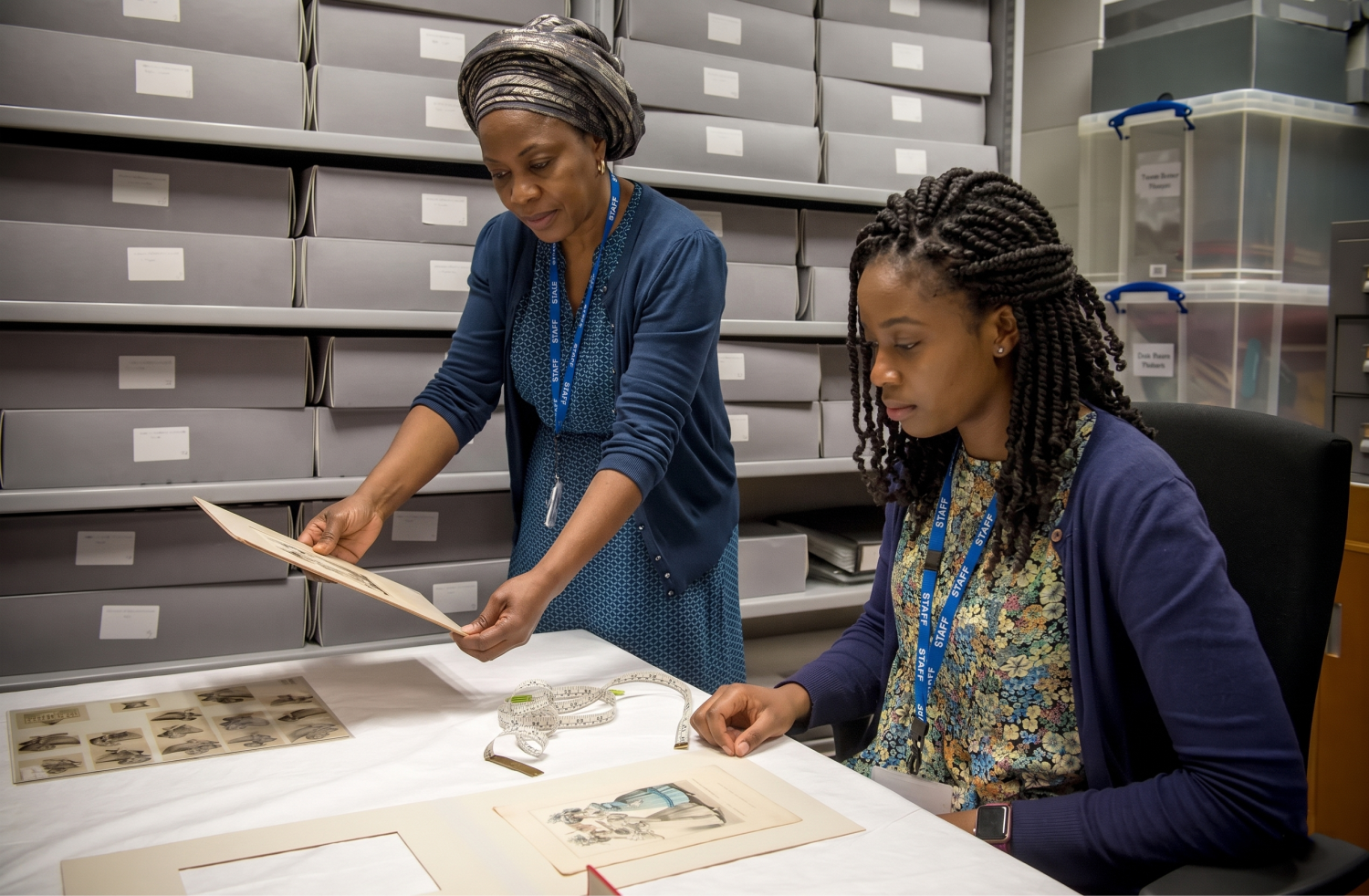
For decades, institutions under the National Commission for Museums and Monuments (NCMM) alongside university repositories have relied primarily on manual, paper-based entry ledgers. While these legacy ledgers served as the foundational bedrock of early post-independence curatorial work, they present acute vulnerabilities in a modern museum ecosystem.
Physical registers face steady, inevitable deterioration due to harsh tropical climates, fluctuating humidity, and accidental physical damage. More critically, decentralized paper systems create crippling data silos. A researcher or curator at the National Museum in Lagos cannot easily verify if a corresponding artifact, a related fragment, or missing provenance data exists at the National Museum in Kaduna without physical travel or slow, manual inquiries. This lack of centralized, real-time tracking creates systemic gaps that complicate collection management, stymie internal audits, and leave collections exposed to security vulnerabilities.
A Strategic Framework for Modernization
Improving documentation is not an administrative afterthought; it is the core engine of museum security, research, and national pride. True modernization relies on three non-negotiable strategic pillars:
1. Unified Digital Infrastructure and Metadata Standards
The paradigm shift from analogue to digital must be accelerated. True digitization extends far beyond merely photographing an object; it requires a meticulous process where every single artifact is assigned a non-repeating, permanent accession number tied to high-resolution imaging or 3D scans.
Crucially, these images must be bound to standardized metadata schemas (such as Object ID or Dublin Core) adapted to capture African art structures. This includes tracking historical context, material composition, precise physical dimensions, and exact origin. Digital twins and centralized databases serve as permanent historical insurance, ensuring that if a physical object suffers damage or environmental degradation, its complete historical and visual record remains fully intact.
2. The Legal Weapon of Provenance in International Restitution
In the current era of global heritage management, the restitution of African cultural heritage has shifted from a theoretical debate to an active, legal process. The successful return of stolen artifacts from global institutions relies entirely on irrefutable, ironclad provenance data.
Detailed internal museum records provide the exact paper trails required to trace, identify, and legally claim ownership of looted antiquities on the international stage. Furthermore, robust internal documentation acts as a vital shield against ongoing illicit trafficking. When a nation maintains an airtight, digitized national registry, it becomes virtually impossible for black-market items to be laundered into international collections or pass the rigorous compliance standards of modern global auction houses.
3. Integrating Community Led Intangible Heritage
A unique, irreplaceable strength of Nigerian museum management is its proximity to living cultural communities. Modern documentation must reject sterile, purely colonial Western cataloguing models that describe an item simply as “bronze casting, 14th century.”
By actively involving local communities, traditional rulers, and indigenous historians in the cataloguing process, museums can capture the intangible heritage inextricably linked to the object. This means documenting its ritual uses, oral histories, indigenous terminology, and deep spiritual significance. This inclusive methodology transforms cold database entries into rich, living educational narratives, preserving the true identity of the culture along with the physical object.
Overcoming Infrastructure and Capacity Bottlenecks
Implementing an improved documentation system across Nigeria’s vast network of national and private museums requires confronting infrastructure hurdles with practical, localized engineering. The most pressing obstacle is the country’s unpredictable electrical grid and varying internet bandwidth. To counter this, digital collection management systems (CMS) must be deployed using hybrid architectures—operating seamlessly on offline local area networks (LANs) within the museums, and syncing securely to cloud servers during windows of stable connectivity.
Technology is only as effective as the human capital operating it. Continuous, institutionalized capacity-building workshops are required to train a new generation of museum curators, registrars, and IT specialists in database management, digital preservation, and metadata archiving. Funding allocations must pivot to treat documentation as a high priority national security asset. By securing the data of the past, Nigeria ensures its cultural voice remains definitive, undeniable, and entirely self-governed for generations to come.
Preserving the Past, Securing the Future: The Imperative for Modernizing Museum Collection Documentation in Nigeria